- Pralargusa@gmail.com


Why 680 out of 1000 convicts return to prison—- Comrade Pralagian Olayemi
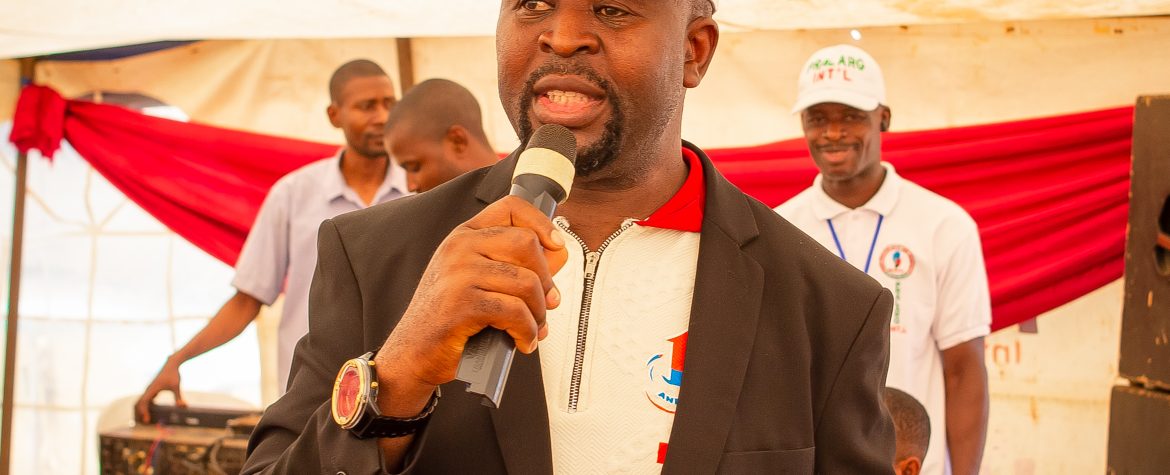
The Chief Executive Officer of Prisons Rehabilitation and Law Abiding Organisation PRALARG International has called on the government to take urgent steps to curb recidivism in the criminal justice system
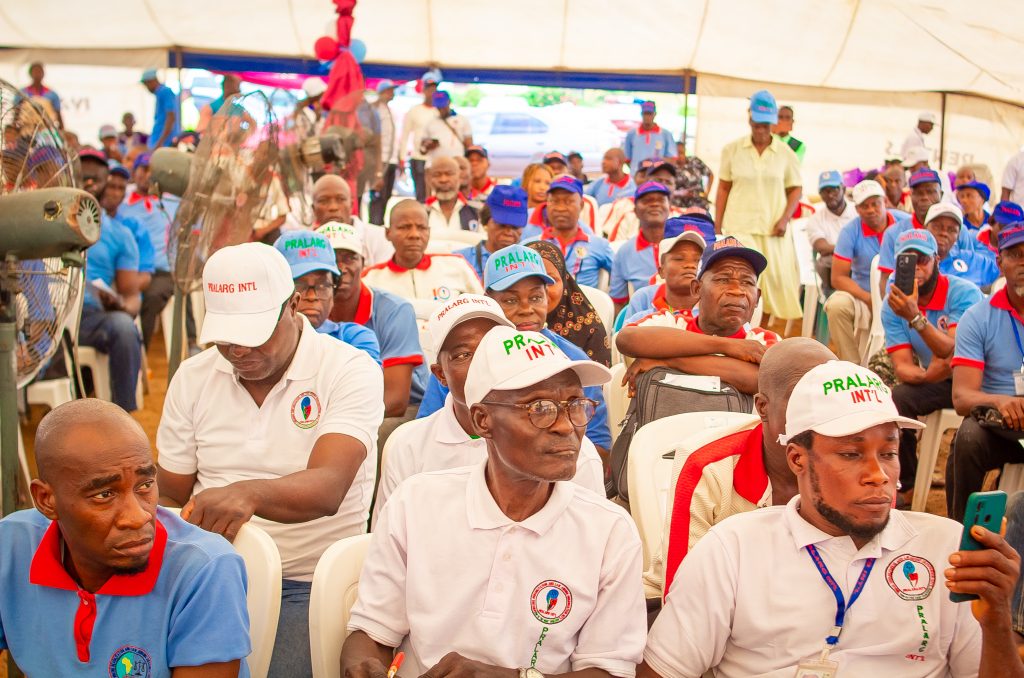
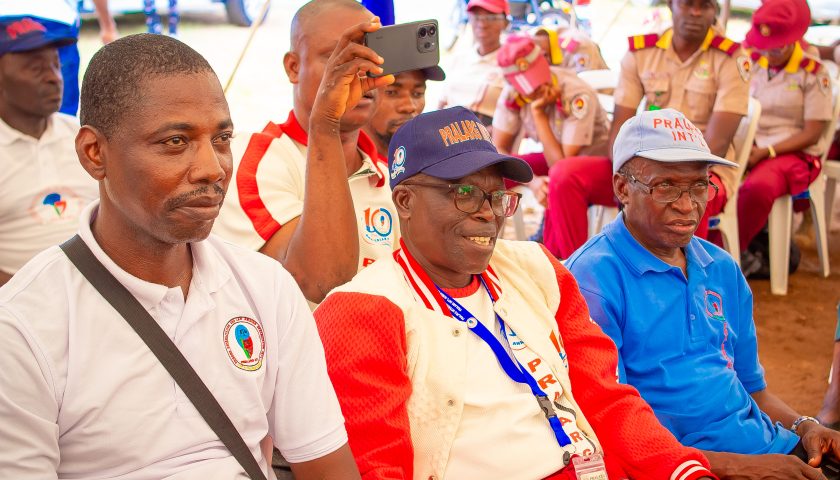
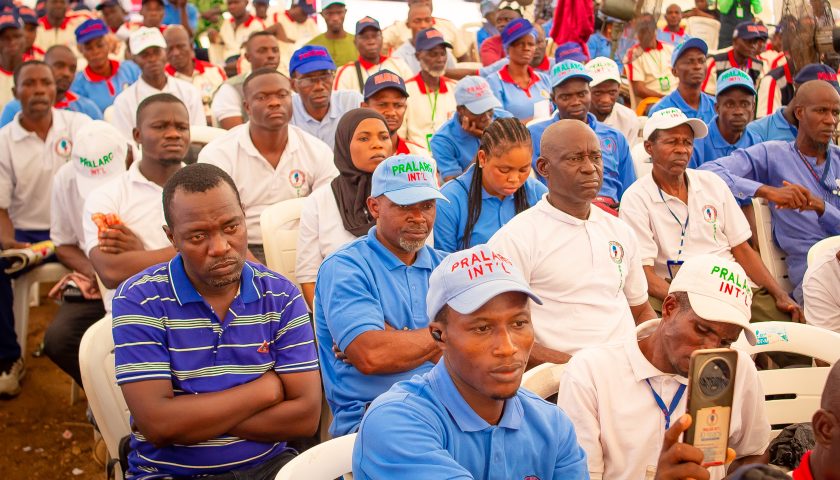
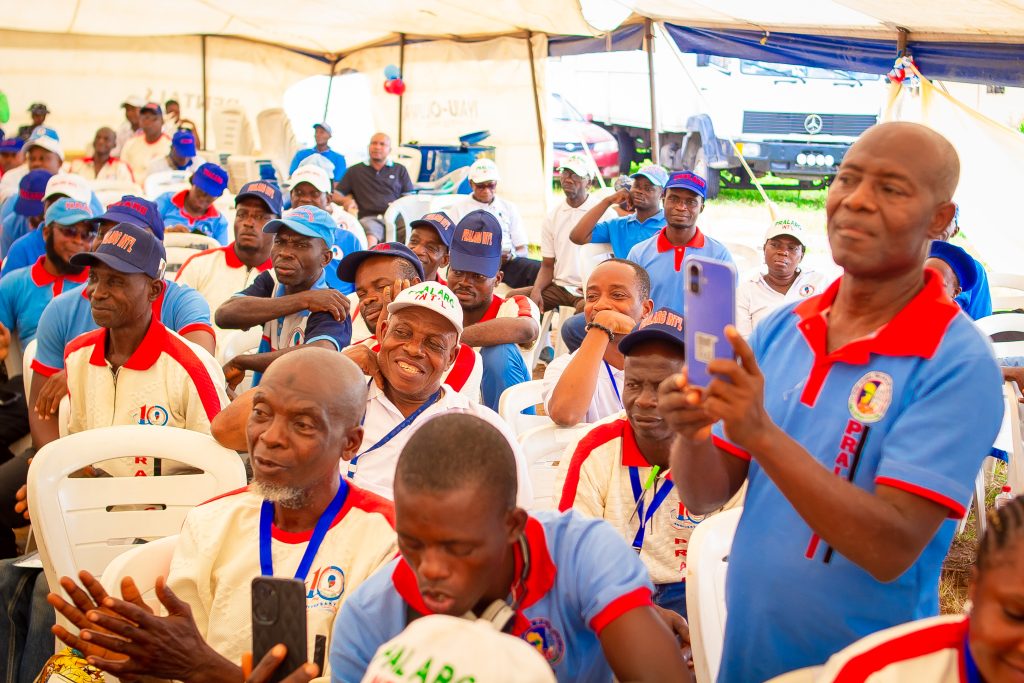
Comrade Akinwunmi stated this during a conference attended by officials from the judiciary, police, paramilitary personnel, and non-governmental organisations. Others in attendance include traditional religious leaders, community leaders, private individuals, and members of the public.
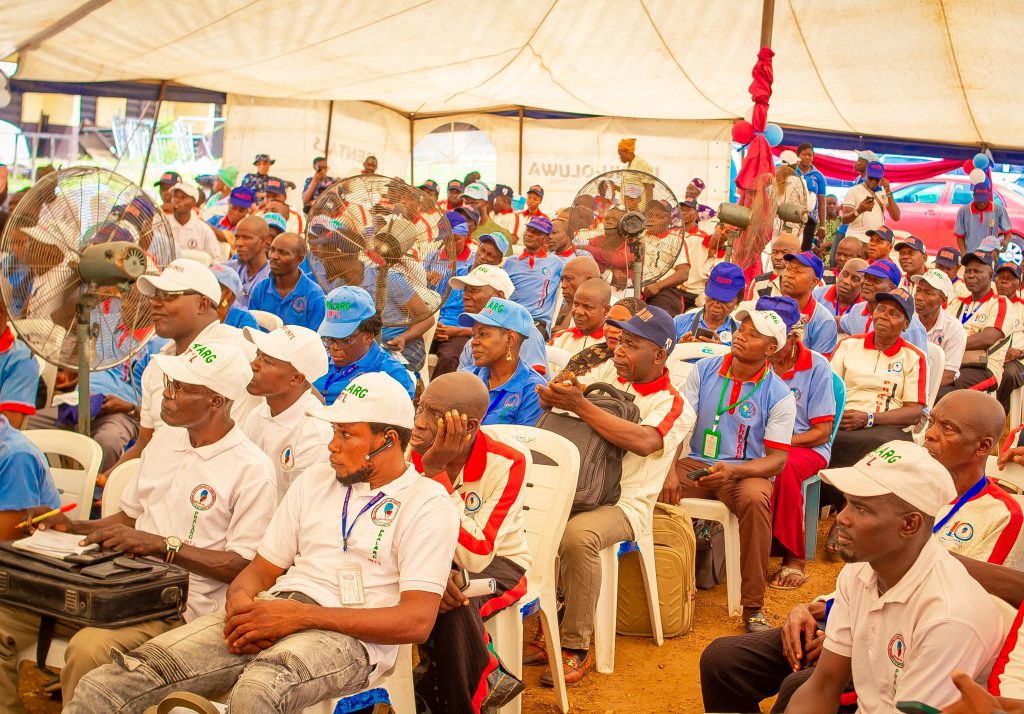
He said, ” I deem it very important to address a critical issue confronting Nigeria’s criminal justice system—recidivism—and its broader implications for society.
Every country in the world recognises that the criminal justice system should not only punish but also rehabilitate and empower inmates. Unfortunately, in Nigeria, hundreds of individuals are discharged—either acquitted or after serving their sentence—without basic support, not even transport fare to return home. These are individuals who have often spent all their life savings on legal fees and have been stigmatised by family and society. Many of them face immediate threats to their survival outside prison, including a lack of food and shelter.
Research indicates that recidivism is high among awaiting trial inmates. Studies show that out of 1,000 convicted individuals, about 680 will likely return to prison, highlighting a critical systemic issue. This rate is even higher when considering individuals awaiting trial.
Comrade Akinwunmi revealed that the solution should involve a structured Reintegration Programs where government and correctional agencies provides discharged inmates with support packages that include transport, basic subsistence, vocational training, and micro-grants or startup funds.
Why 680 out of 1000 convicts return to prison—- Comrade Pralagian Olayemi

Other areas to address include classification and segregation of Inmates based on the severity of their offences to minimise harmful interactions and prevent the formation of detrimental prison networks.
Also, post-release monitoring and mentorship should involve an established formal aftercare system where ex-inmates are paired with mentors and social workers to guide their reintegration into society. Restrict inmate visitation to ensure discharged inmates do not maintain contact with individuals they met in prison, especially when these relationships could encourage criminal behaviour. Public-Private Partnership: Organisations like Pralarg International can complement government efforts by offering empowerment programs, but systemic, sustainable frameworks are essential.
The ethical responsibility of our correctional system extends beyond punishment. It requires deliberate, structured measures to empower, rehabilitate, and reintegrate inmates. Only through these measures can we break the cycle of crime and truly strengthen our society”.

Research indicates that recidivism is high among awaiting trial inmates. Studies show that out of 1,000 convicted individuals, about 680 will likely return to prison, highlighting a critical systemic issue. This rate is even higher when considering individuals awaiting trial.
Comrade Akinwunmi revealed that the solution should involve a structured Reintegration Programs where government and correctional agencies provides discharged inmates with support packages that include transport, basic subsistence, vocational training, and micro-grants or startup funds.
Other areas to address include classification and segregation of Inmates based on the severity of their offences to minimise harmful interactions and prevent the formation of detrimental prison networks.
Also, post-release monitoring and mentorship should involve an established formal aftercare system where ex-inmates are paired with mentors and social workers to guide their reintegration into society. Restrict inmate visitation to ensure discharged inmates do not maintain contact with individuals they met in prison, especially when these relationships could encourage criminal behaviour. Public-Private Partnership: Organisations like Pralarg International can complement government efforts by offering empowerment programs, but systemic, sustainable frameworks are essential.
The ethical responsibility of our correctional system extends beyond punishment. It requires deliberate, structured measures to empower, rehabilitate, and reintegrate inmates. Only through these measures can we break the cycle of crime and truly strengthen our society”.
It is important to note that true rehabilitation is only possible when there is systematic reintegration and aftercare for released inmates. Pardons or annual government releases, while helpful, are insufficient on their own. Empowerment—through skills acquisition, financial support, mentorship, and social reintegration—is key to preventing recidivism.
Our experience shows that a significant number of these individuals were maliciously prosecuted or were unable to afford bail. Inside the correctional facilities, the absence of proper inmate classification forces minor offenders to interact with serious convicts. Over time, relationships are formed that resemble a hierarchy or apprenticeship, which, upon release, can increase the risk of returning to crime.

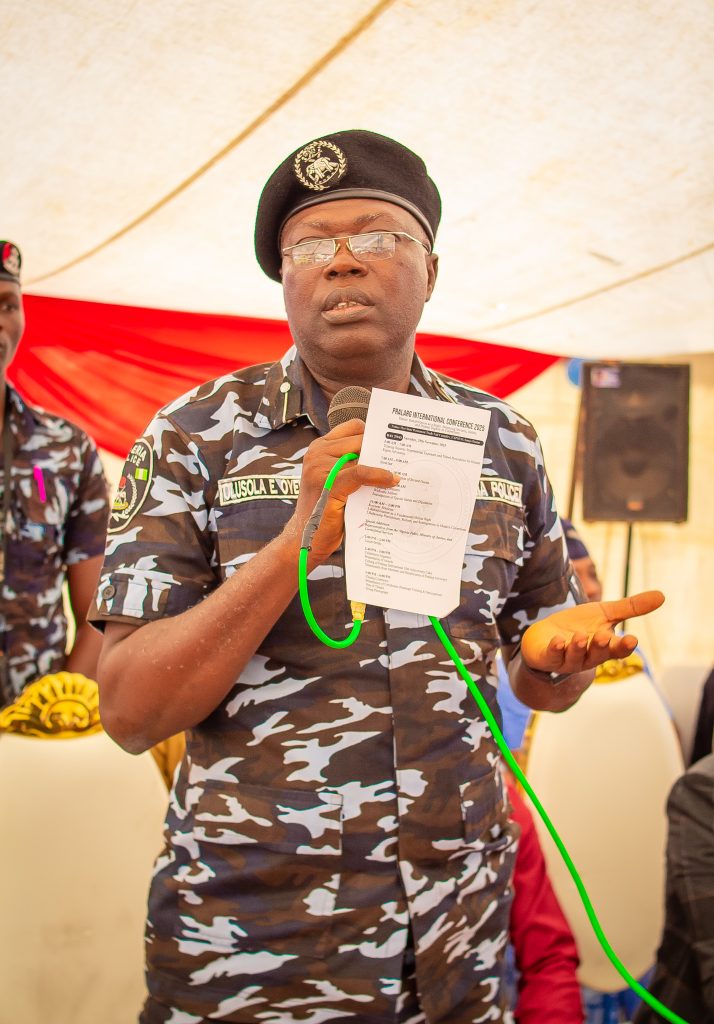
Speaking during the event, the Oyo State Commissioner of Police, represented by ACP Olushola Oyewole congratulated PRALARG INTERNATIONAL on their 10th anniversary and called for a more robust relationship between the police and human rights organisations.
The two days conference created opportunity for expert workshops and lectures,induction of new nembers, certificate awards to Paralegal graduates, stakeholders engagement, awards presentation to outstanding contributors including the launch of the Pralarg International Paralegal Training Manual.
Guests at the event included traditional and religious leaders, Human Rights Organizations (Local & International, Non-Profit & Civil Society Groups justice, security & legal stakeholders, advocates, volunteers, change-makers and members of the public.https://magazine.pralarg.org/2026/01/25/why-680-out-of-1000-convicts-return-to-prison-comrade-pralagian-olayemi/
Leave A Comment